
Back to Basics: Pelvic Floor and Breath
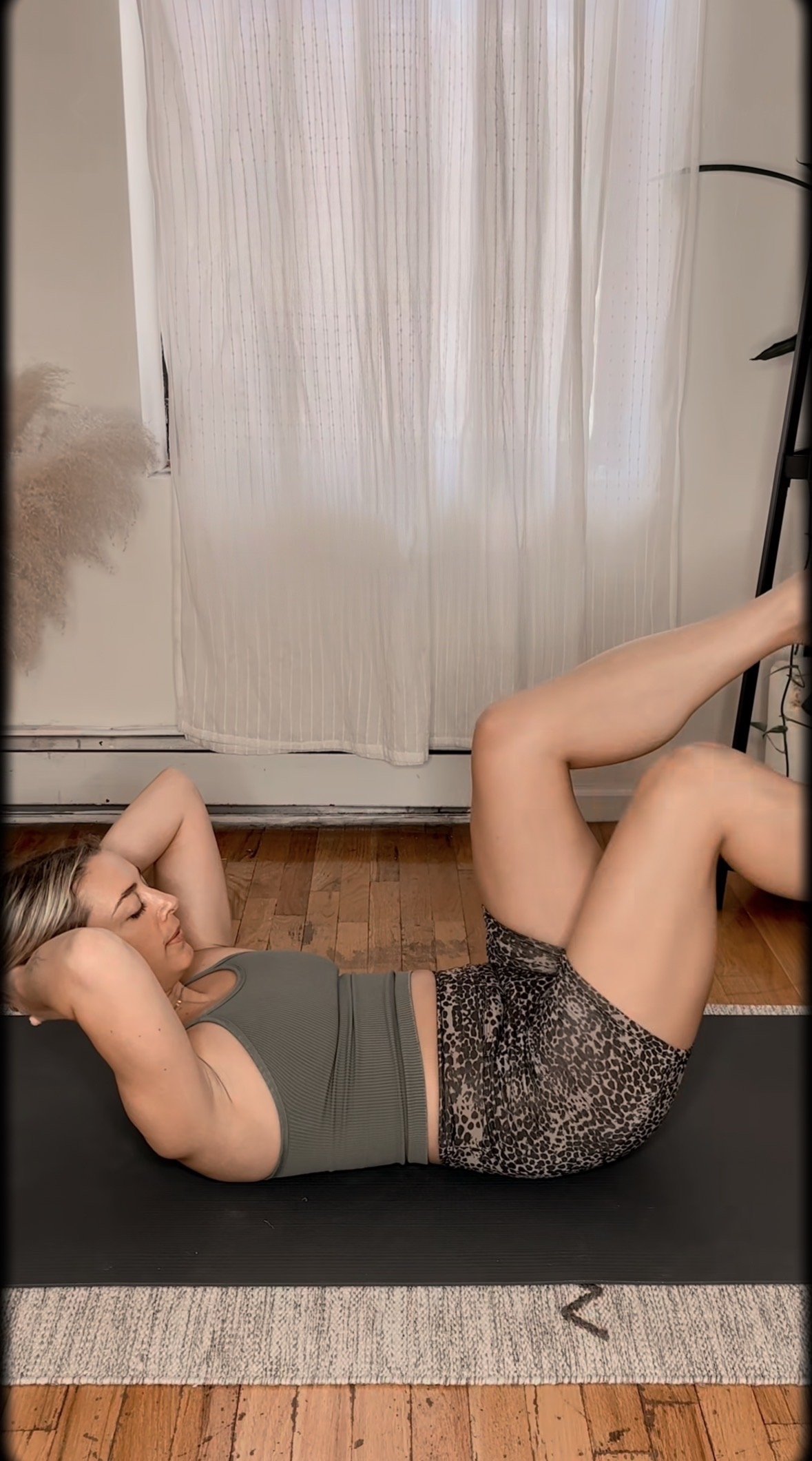
Welcome to Back-to-Basics, where I focus on the functional anatomy behind our basic Pilates moves so we can all remember WHY we’re doing each exercise and HOW to be more confident in the execution.
Next in this series: Breath and Core Connection
If you've taken a Pilates class, you've probably heard the cue “exhale with the effort,” but has anyone explained why?
Your breath not only brings oxygen into your body, it also helps organize your movement. You can think of your deep core as a team rather than a single muscle. Your diaphragm sits at the top, your pelvic floor forms the bottom, and your deep abdominals and spinal stabilizers create the walls. Together, they create a support system for your spine every time you move.
When you inhale, your diaphragm contracts and lowers, making room for your lungs to fill with air. As that happens, your pelvic floor naturally lengthens and responds to the increase in pressure. When you exhale, your diaphragm relaxes and rises, your pelvic floor gently lifts, and your deep abdominals begin to engage.
This isn't something you have to force, even though that’s common when you’re first learning about this. Your body is designed to coordinate these muscles for you. But it does take some practice to feel the nuances of supporting this coordination vs forcing it (which can have a detrimental counter-effect) and Pilates is a great place to practice creating stability before movement.
Think about picking up a heavy grocery bag. Before you even lift it, your body has to organize itself, and it does! The same thing happens when you pick up your child, when you stand up from the floor, or even when you push a heavy door open. Your body creates support first, then movement follows.
One of the biggest misconceptions about the pelvic floor as a part of this coordination, is that you should always be squeezing it for support. I get asked all the time if someone should be doing more kegels for pelvic floor and core strength. In reality, a healthy pelvic floor needs to both engage and release. A muscle that's constantly gripping isn't functioning any better than one that's too weak to respond. That’s why we say a tight muscle is a weak muscle.
How do you know if you're doing it right?
Instead of wondering whether you're "finding" your pelvic floor, pay attention to how the movement feels. You might notice:
Your pelvis stays more stable.
Your movement feels smoother instead of forced.
Your neck and shoulders stay more relaxed.
You don't feel like you're gripping your glutes or holding your breath.
You feel connected through your center without feeling rigid.
Think about pelvic floor engagement more as dimmer switch turning on vs a hard switch.
Next time you're in class, pay attention to one of the hardest exercises and try exhaling just before you lift, push, or curl. Don't change anything else. Notice if the movement feels a little more supported and better in your body.
Try in one of these breath-focused classes!